Expert Metal Manufacturing: What Every Architect Needs
Architects in Logan are specifying more metal in building envelopes, drainage systems, and energy infrastructure than ever before. Cache Valley's climate is demanding: heavy snow loads, freeze-thaw cycles, intense summer sun, and spring runoff from the surrounding mountains. A design that looks excellent on paper must hold up to these conditions for decades. That is why expert metal manufacturing is a critical part of the project team, not just a line item in the procurement schedule.
This guide covers what architects should expect from a metal manufacturing partner, how to specify materials and tolerances, and how metal components fit into roofing, gutters, solar mounting, and home exterior protection strategies across northern Utah.
Why Metal Manufacturing Decisions Matter in Logan
Logan sits at roughly 4,500 feet in elevation and experiences cold winters, significant snowfall, and wide daily temperature swings. Metal components expand and contract with these swings, and poorly detailed joints, fasteners, or flashing can fail early. Snow sliding off metal roofs can also damage poorly anchored gutters and mechanical equipment below.
Working with a fabricator that understands local conditions helps architects avoid costly redesigns during construction. A knowledgeable shop can flag issues such as snow retention needs, thermal movement, and drainage capacity before drawings are finalized.

What "Expert Metal Manufacturing" Actually Includes
A capable manufacturing partner offers comprehensive metal services that span design support, material sourcing, fabrication, finishing, and installation coordination. For architects, the value is in having one accountable team from concept to completion.
Custom Metal Engineering
Custom metal engineering bridges the gap between design intent and buildable reality. Engineers review structural loads, connection details, material thickness, and corrosion exposure. For Logan projects, this often includes calculating snow load impacts on canopies, parapet caps, and roof-mounted equipment supports, in line with the adopted Utah building codes and the International Building Code provisions that apply to the project.
Custom Metal Fabrication
Custom metal fabrication turns engineered details into finished components: architectural flashings, fascia systems, column wraps, canopies, screens, custom downspouts, scuppers, and conductor heads. Fabricators working from architect drawings can produce profiles that off-the-shelf products cannot match, which is especially useful for historic renovations and distinctive commercial facades.
CNC Metal Cutting and Advanced Metal Production
CNC metal cutting delivers repeatable precision for perforated panels, brackets, plates, and decorative elements. Combined with advanced metal production methods such as CNC press brake forming, laser or plasma cutting, and automated welding, shops can hold tight tolerances across large production runs. For architects, this means fewer field adjustments and cleaner sightlines where metal meets glass, masonry, or wood.
Material Selection: Matching Metal to Performance Needs
Each metal brings distinct strengths. Choosing the right one early prevents performance problems and budget surprises.
- Aluminum: Lightweight, corrosion resistant, and available in many factory finishes. It is a common choice for gutters, fascia, and panels. Seamless aluminum systems simplify aluminum gutter repair and long-term maintenance.
- Steel (including Colorbond-type coated steel): Strong and cost effective, with coatings that resist weathering. Coated steel roofing is popular for its durability, and it requires proper care, including Colorbond roof cleaning methods that protect the finish.
- Copper: Premium, long-lived, and visually distinctive. Copper gutter installation suits high-end residential and heritage projects, and the material develops a natural patina over time.
- Stainless steel and zinc: Used where extreme corrosion resistance or a specific architectural look is required.
Architects should also consider galvanic compatibility. Dissimilar metals in contact with moisture can corrode, so fasteners, flashings, and gutters should be specified as compatible systems.
Building Envelope Protection and Exterior Water Management
Building envelope protection depends on how well roofing, flashing, wall panels, and drainage work together. Water that is not directed away from the structure leads to rot, mold, foundation movement, and finish failures. Exterior water management is therefore a design priority rather than an afterthought.
Gutter Systems as Part of the Design
Gutters are often treated as an add-on, yet they are central to exterior moisture control. Architects should coordinate roof pitch, eave detail, snow behavior, and downspout placement from the start. Key considerations include:
- Capacity: Size gutters and downspouts for local rainfall intensity and for rapid snowmelt, which can exceed typical storm flows.
- Snow and ice: Specify heavier-gauge material, closer hanger spacing, and snow guards where sliding snow could damage the system.
- Discharge location: Plan foundation water diversion with extensions, underground drains, or splash blocks that carry water well clear of footings.
- Accessibility: Design for safe access so that gutter maintenance and gutter cleaning can be performed without damaging finishes.
- Material continuity: Match gutter finish and profile to fascia, trim, and roofing for a cohesive appearance.
Expert Gutter Installation and Comprehensive Gutter Solutions
Expert gutter installation starts with correct slope, secure hanger attachment into solid framing, and sealed seams or seamless runs. Comprehensive gutter solutions include the gutters themselves, downspouts, leaf protection, and drainage connections designed as one system. This approach supports comprehensive drainage solutions that protect the whole property rather than only the roofline.
For existing buildings, architects frequently encounter the need for gutter repair, gutter system repair, gutter downspout repair, or full gutter replacement. A fabricator that can https://raymondwlsd059.birchreport.com/posts/how-exterior-moisture-control-defends-your-roof-cavity match existing profiles or produce custom replacements saves time on renovation and restoration projects.
Gutter Guards and Protection
Advanced gutter protection reduces clogging from leaves, pine needles, and debris, which is a common issue in tree-lined Logan neighborhoods. Gutter guard installation works best when the guard is matched to the gutter profile and roof pitch. Architects should evaluate options for snow and ice performance, because some guard styles behave differently in freezing conditions. Even with gutter protection in place, periodic inspection remains part of responsible gutter maintenance.
Commercial Gutter Services
Larger structures call for commercial gutter services, including oversized box gutters, internal drains, and custom-fabricated scuppers. Commercial roofs concentrate large volumes of water at specific points, so capacity calculations and overflow provisions are essential. Fabricators with commercial experience can coordinate these details with roofing contractors and structural engineers.
Roof and Exterior Care: Designing for Maintainability
Architects can extend the life of metal assets by specifying finishes and details that are easy to maintain. Roofs in Cache Valley collect pollen, moss, algae, and airborne dust, and these can degrade appearance and, over time, performance.
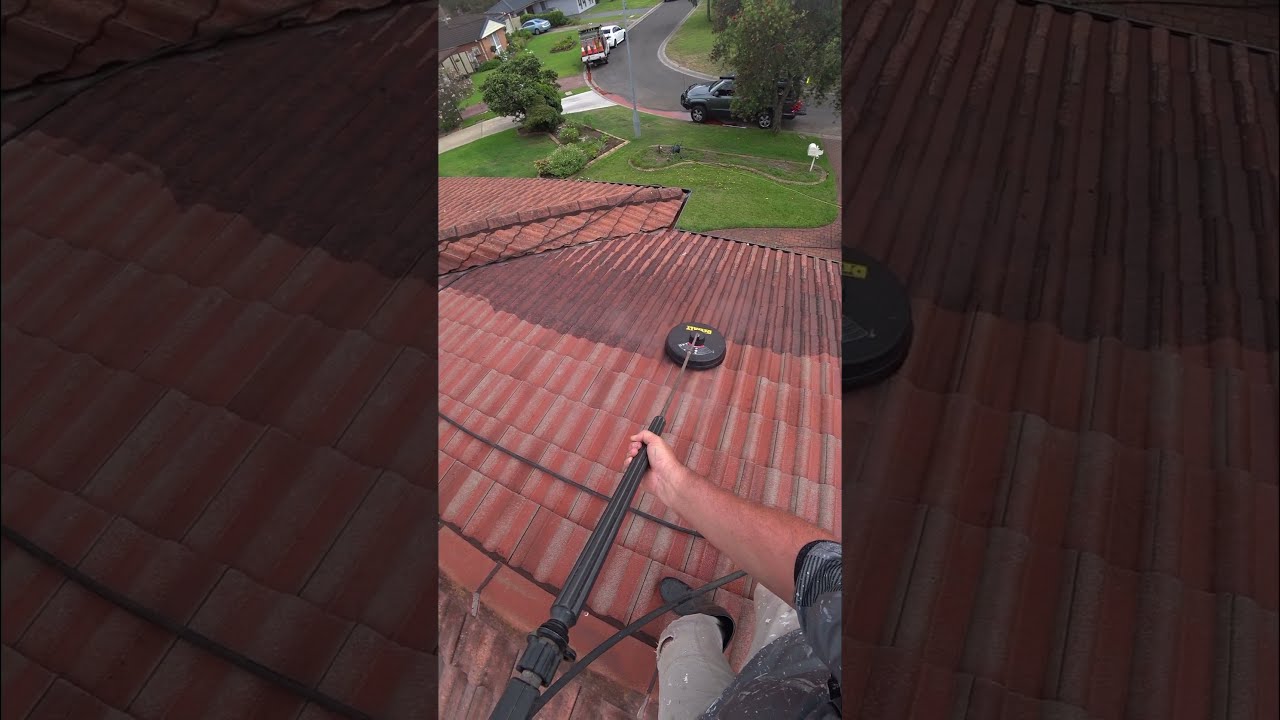
Expert roof cleaning and certified roof cleaning services use low-pressure or soft-wash methods suited to the roofing material. High-pressure washing can strip coatings and force water under laps, so architects and owners should require appropriate methods in maintenance documentation. Options include:
- Comprehensive roof cleaning programs that address the roof surface, valleys, flashings, and gutters in a single visit.
- Eco-friendly roof cleaning using biodegradable solutions that protect landscaping and runoff.
- Commercial roof cleaning schedules tailored to large flat or low-slope roofs.
- Advanced roof cleaning techniques that preserve factory finishes and warranties.
- Exterior roof washing and exterior home washing to keep siding, trim, and metal accents clean.
Including a maintenance plan in project closeout documents helps owners protect warranties and preserve the original design intent.
Solar Integration: Metal Fabrication Meets Clean Energy
Solar is now a standard consideration in building design. Metal roofs are particularly well suited to solar mounting because standing seam profiles allow clamp-style attachments without roof penetrations. Fabricators also produce custom racking, ground mounts, carport structures, and equipment enclosures.
Commercial and Grid-Tied Systems
Commercial solar panels are commonly installed on warehouses, schools, agricultural buildings, and office properties. Grid-tied solar panels connect to the utility network, allowing owners to offset consumption and, depending on the utility's current net metering or export policies, receive credit for excess production. Architects should confirm interconnection rules with the local utility early in design, since policies can change from year to year.
Technology and Services
Advanced solar technology in 2026 includes higher-efficiency monocrystalline panels, module-level power electronics, and integrated battery storage. These systems support electrical energy conversion from sunlight to usable power with improved reliability. Owners seeking comprehensive solar solutions or custom solar solutions benefit from coordination between the structural, roofing, and electrical teams so that loads, penetrations, and conduit paths are resolved before construction.
Architects should consider:
- Structural capacity for added dead load plus snow load.
- Roof access, setbacks, and fire code pathways.
- Snow shedding behavior from panel surfaces onto walkways and gutters.
- Panel layout relative to roof drainage and gutter locations.
Providers of advanced solar services and expert solar panel services can help evaluate site orientation, shading, and production estimates. Taken together, these choices support energy efficiency solutions and comprehensive energy solutions that reduce operating costs over the life of the building.
The Broader Energy Picture
Solar is one of several alternative energy sources shaping modern projects, and it sits alongside battery storage, high-efficiency heat pumps, and smart building controls. As clean energy technology and green energy technology continue to evolve into 2027 and beyond, architects who design flexible metal structures and mounting provisions now will make future upgrades easier and less expensive.
How to Evaluate a Metal Manufacturing Partner
Choosing the right fabricator affects schedule, quality, and long-term performance. During vendor selection, architects should ask about:
- Shop capabilities: CNC equipment, press brake capacity, welding certifications, and finishing options.
- Engineering support: Ability to review details, produce shop drawings, and offer value-engineering suggestions.
- Material traceability: Documentation of alloy, gauge, and coating specifications.
- Local experience: Familiarity with Logan's climate, snow loads, and permitting expectations.
- Warranty and service: Clear coverage for materials and workmanship, plus support for repairs and maintenance.
- Project coordination: Communication with general contractors, roofers, and solar installers.
Requesting sample profiles, finish swatches, and references from comparable projects helps verify quality before committing.
Best Practices for Specifying Metal Components
Provide Complete Details
Clear drawings reduce errors. Include thickness, alloy, finish, fastener type, sealant requirements, and expansion joint locations. Where possible, invite the fabricator to review details during design development rather than after bidding.
Plan for Thermal Movement
Long metal runs expand and contract noticeably in Logan's temperature range. Specify slip joints, floating clips, and appropriately sized fastener holes so that panels and trim can move without buckling or oil-canning.
Coordinate Trades
Roofing, gutters, solar, and masonry trades overlap at edges and penetrations. A single point of coordination for comprehensive metal services reduces conflicts and protects the weather barrier.
Prepare for Lifecycle Costs
Initial cost is only part of the picture. Durable materials, accessible gutters, and serviceable roof systems lower long-term expenses. Documenting recommended inspection and cleaning intervals gives owners a path to protect their investment.
Local Considerations for Logan Projects
Logan and the surrounding Cache County communities have specific permitting and design review processes, and historic districts may have additional guidelines for exterior materials and colors. Architects should confirm requirements for snow load, wind exposure, and energy code compliance with local building officials. Because code editions and incentives are updated periodically, verify the current 2026 requirements, as well as any scheduled changes, at the start of every project.
Conclusion
Metal is a versatile, durable, and design-friendly material, but results depend on precise engineering and quality fabrication. By partnering with an expert manufacturer that offers custom metal engineering, CNC precision, and a full range of gutter, roofing, and solar-ready solutions, architects in Logan can deliver buildings that perform well in Cache Valley's demanding climate. Early collaboration, thorough detailing, and a plan for ongoing maintenance are the keys to protecting the building envelope and realizing the full value of every metal component.
Logan Roof Cleaning Pros
Unit 8 13/15 Ellerslie Rd, Meadowbrook QLD 4131, Australia
(07) 4803 1388